
High Quality Orthopaedic Surgical Instrument | Types, Uses & Buying Guide
High Quality Orthopaedic Surgical Instruments: A Complete Guide
Introduction
Orthopaedic surgery plays a crucial role in diagnosing, treating, and correcting musculoskeletal disorders, including bones, joints, ligaments, and tendons. The success of any orthopaedic procedure largely depends on the precision and reliability of the instruments used. High quality orthopaedic surgical instrument ensures accuracy, safety, and better patient outcomes.
In modern healthcare, demand for durable and ergonomically designed surgical tools has increased significantly. Surgeons rely on advanced instruments that provide precision, minimise complications, and support minimally invasive techniques.
This article explores the high quality orthopaedic surgical instrument, their types, uses, features, and how to choose the right ones.
What Are Orthopaedic Surgical Instruments?
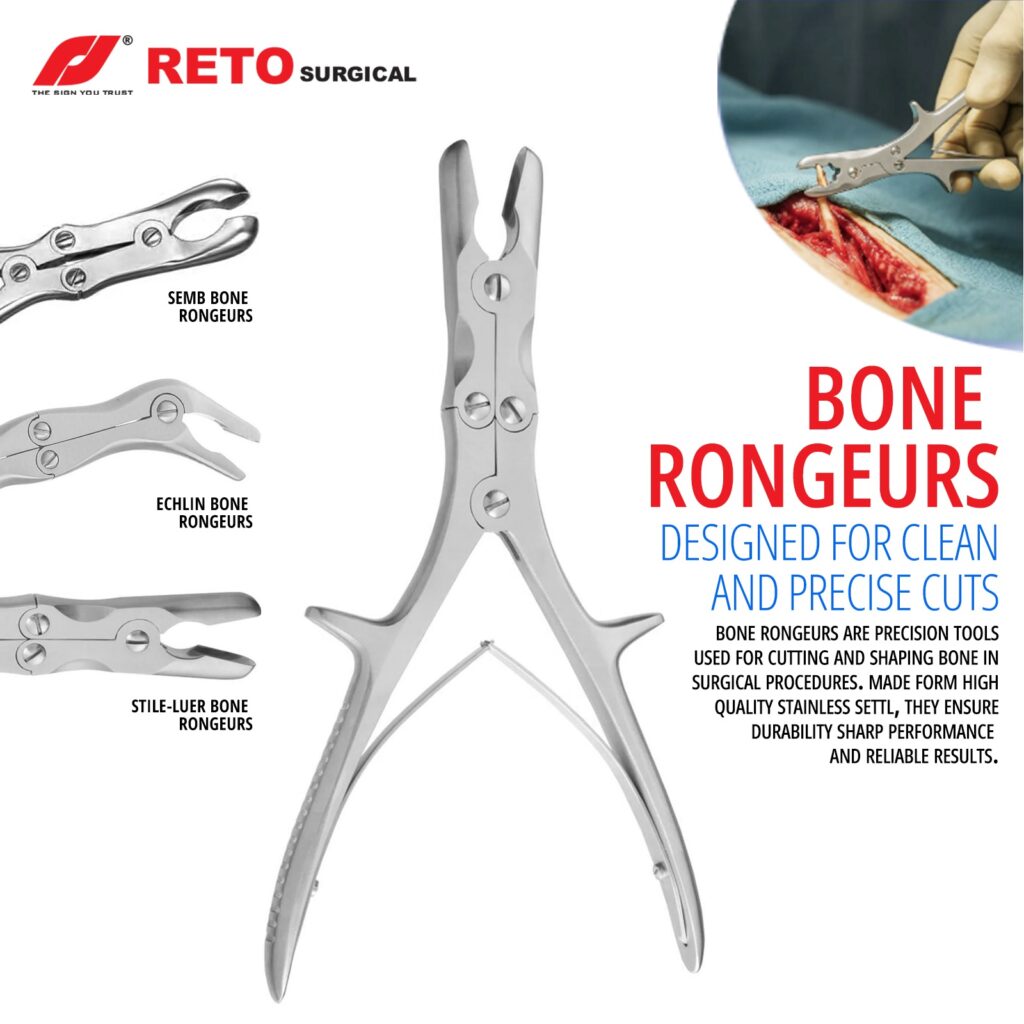
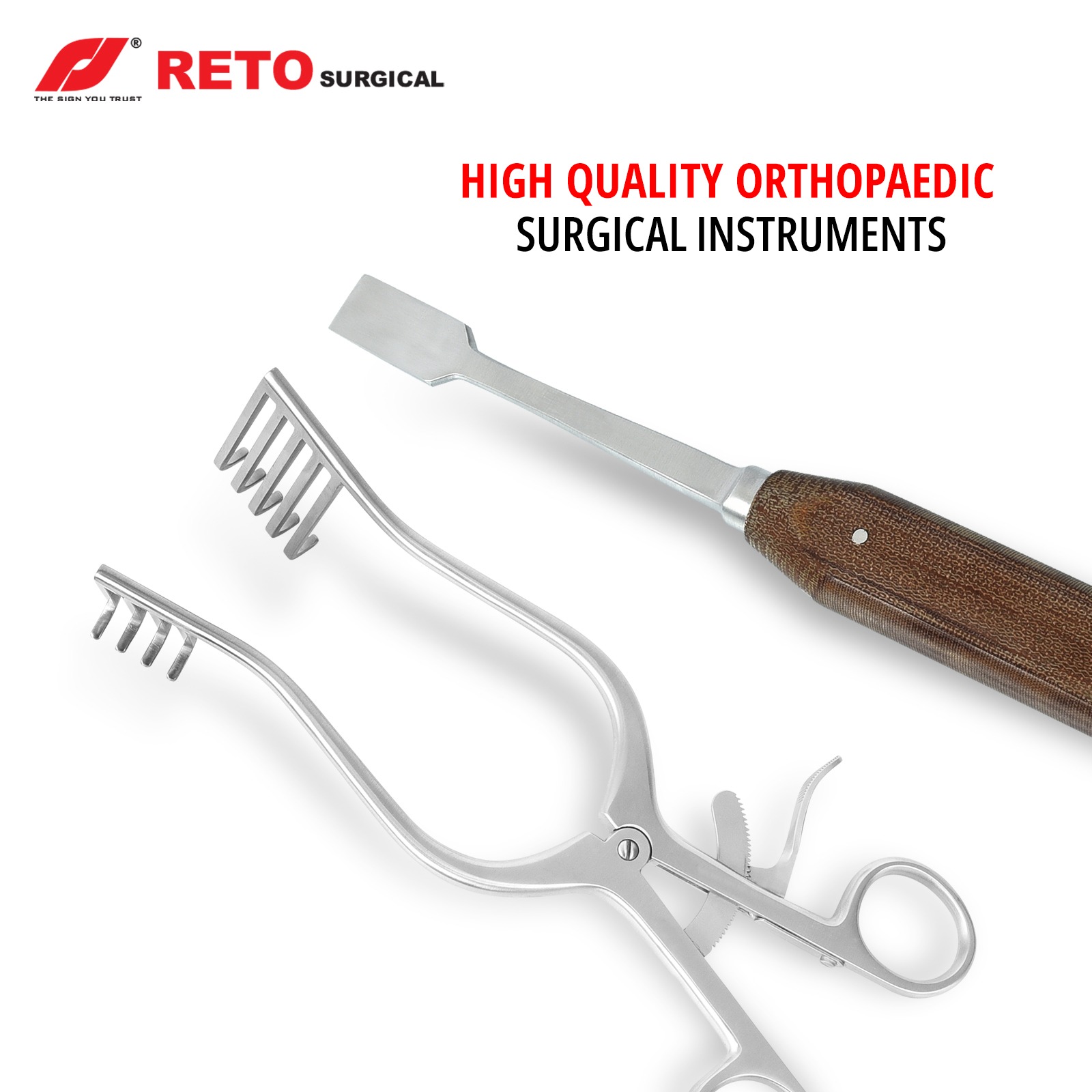
Our high quality Orthopaedic surgical instrument are specialised tools designed for diagnosing, repairing, and treating bone and joint-related conditions. These instruments are engineered to handle hard tissues such as bones, unlike general surgical tools.
They are used in procedures such as:
- Fracture fixation
- Joint replacement
- Bone grafting
- Arthroscopy
- Spinal surgery
Our high quality orthopaedic surgical instrument ensure precision cutting, drilling, holding, and alignment of bones.
Key Features of High-Quality Orthopaedic Surgical Instrument
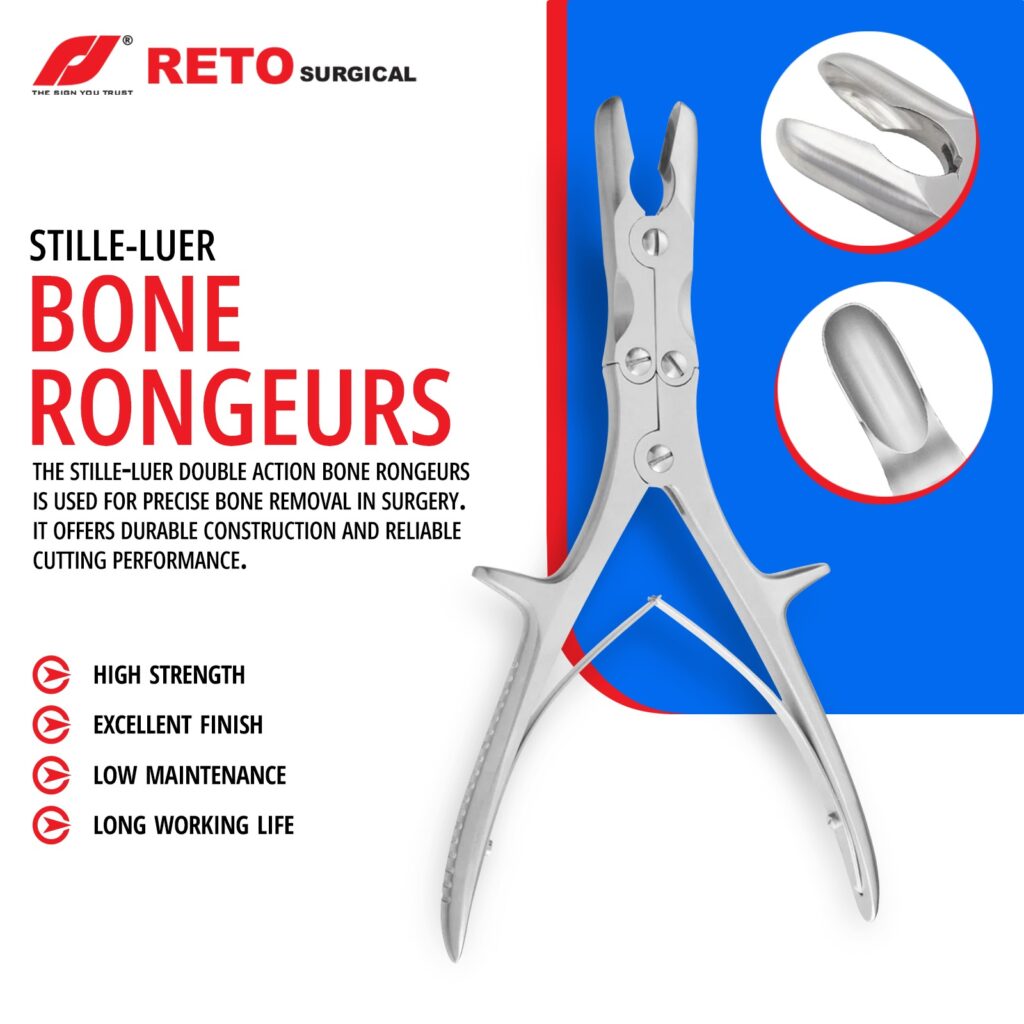
When selecting high quality orthopaedic surgical instrument, quality is critical. The best instruments share the following features:
- Medical-Grade Stainless Steel
Most premium instruments are made from corrosion-resistant stainless steel, ensuring durability and sterilizability.
- Precision Engineering
Accurate measurements and sharp edges ensure minimal tissue damage and improved surgical outcomes.
- Ergonomic Design
Comfortable grip and balanced weight reduce surgeon fatigue during long procedures.
- High Durability
Instruments must withstand repeated sterilisation without losing performance.
- Non-Reactive Material
Ensures safety and prevents adverse reactions in the human body.
Types of Orthopaedic Surgical Instruments
Our High quality Orthopaedic Surgical instrument are broadly categorised based on their function:
- Cutting Instruments
These are used to cut bone and soft tissue.
Examples:
- Bone saws
- Osteotomes
- Bone cutters
- Surgical chisels
- Grasping and Holding Instruments
Used to hold bones or tissues securely during surgery.
Examples:
- Bone holding forceps
- Reduction forceps
- Tissue forceps
- Drilling and Fixation Instruments
Essential for inserting screws, pins, and implants.
Examples:
- Bone drills
- Screwdrivers
- Kirschner wire (K-wire) instruments
- Retracting Instruments
Used to hold back tissues for better visibility.
Examples:
- Retractors (manual and self-retaining)
- Hohmann retractors
- Measuring Instruments
Used for precise alignment and sizing.
Examples:
- Depth gauges
- Bone calipers
- Measuring rulers
- Implant Instruments
Used in joint replacement and reconstruction surgeries.
Examples:
- Plate holding forceps
- Implant positioning guides
- Cement mixing systems
Importance of Using Best Quality Orthopaedic Instruments
Using high quality orthopaedic surgical instrument is essential for multiple reasons:
✔ Improved Surgical Precision
High-quality orthopaedic surgical instrument allow surgeons to perform delicate procedures accurately.
✔ Reduced Risk of Infection
Properly sterilised stainless-steel instruments reduce contamination risk.
✔ Better Patient Recovery
Accurate surgeries lead to faster healing and fewer complications.
✔ Long-Term Cost Efficiency
Durable instruments reduce the need for frequent replacements.
✔ Enhanced Surgeon Performance
Ergonomic tools reduce strain and increase efficiency.
Applications of Orthopaedic Surgical Instruments
Our high quality Orthopaedic surgical instrument are used in a wide range of medical procedures:
- Trauma surgeries (fractures and dislocations)
- Joint replacement surgeries (hip, knee, shoulder)
- Spine surgeries
- Sports injury treatments
- Bone deformity correction
- Arthroscopic procedures
How to Choose the High quality Orthopaedic Surgical Instruments
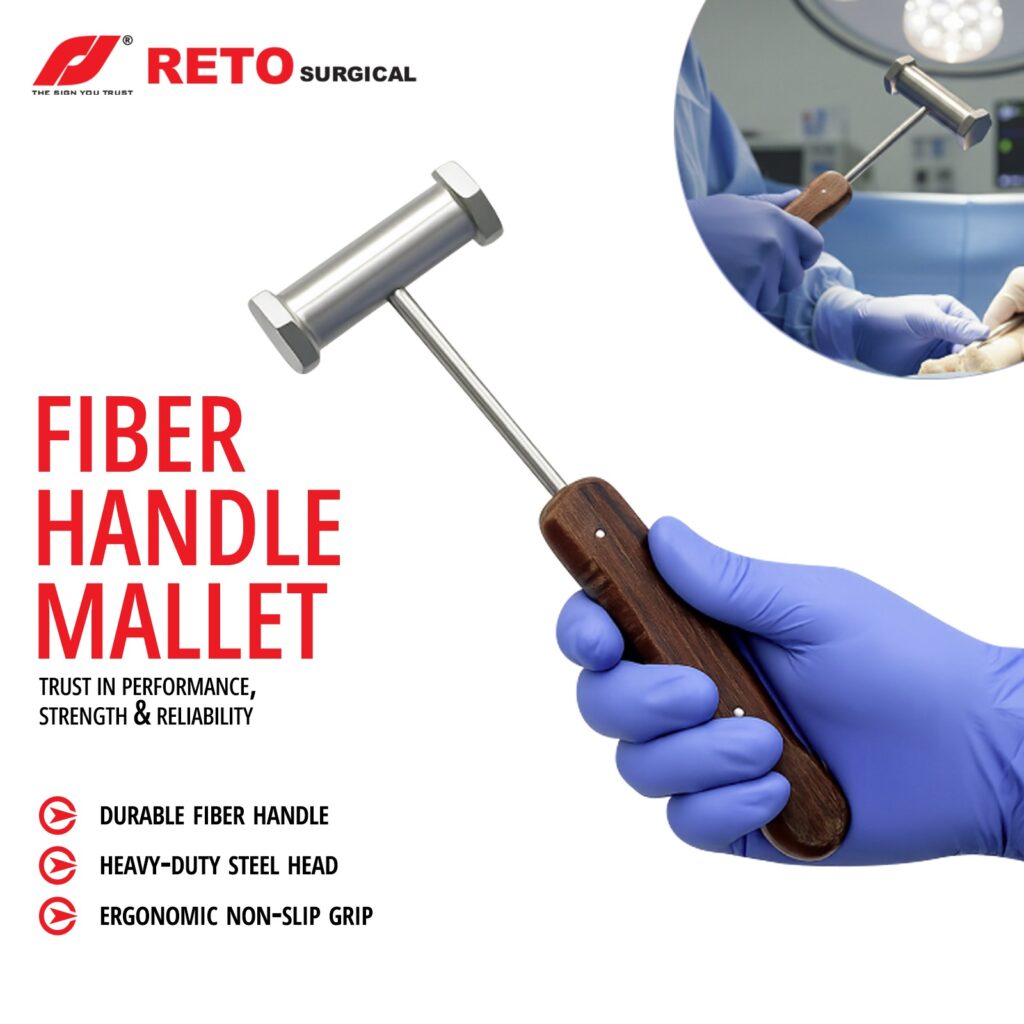
How to Choose the High quality Orthopaedic Surgical Instruments
Selecting the right instruments is crucial for hospitals and surgeons.
- Material Quality
Always choose surgical-grade stainless steel or titanium instruments.
- Certification Standards
Ensure compliance with ISO or CE medical standards.
- Manufacturer Reputation
Trusted manufacturers ensure quality control and consistency.
- Ease of Sterilisation
Instruments should withstand autoclave sterilisation.
- Precision & Finish
Smooth finishing prevents tissue damage and ensures accuracy.
- Cost vs Quality Balance
Avoid low-cost tools that compromise safety and performance.
Maintenance and Care of Orthopaedic Instruments
Proper maintenance extends instrument life:
- Clean immediately after use
- Use enzymatic cleaning solutions
- Avoid harsh chemicals
- Dry completely before sterilisation
- Store in sterile trays
- Inspect regularly for wear and damage
Future Trends in Orthopaedic Surgical Instruments
The medical field is evolving rapidly. Key trends include:
- Robotic-assisted orthopaedic surgery
- 3D-printed surgical tools
- Minimally invasive instruments
- Smart instruments with sensors
- Lightweight titanium tools
These innovations improve accuracy and reduce surgical risks.
Conclusion
High quality orthopaedic surgical instrument is the backbone of successful bone and joint surgeries. From cutting and drilling to fixation and implantation, each tool plays a vital role in ensuring precision and patient safety.
Investing in durable, ergonomically designed, and certified instruments not only improves surgical outcomes but also enhances efficiency and reduces long-term costs. As technology advances, orthopaedic instruments will continue to evolve, offering even greater precision and reliability in surgical care.
Frequently Asked Questions (FAQs)
- What are orthopaedic surgical instruments used for?
They are used to treat bone, joint, and musculoskeletal disorders.
- What materials are best for orthopaedic instruments?
Medical-grade stainless steel and titanium are most commonly used.
- Are orthopaedic instruments reusable?
Yes, most are reusable after proper sterilisation.
- What is a bone cutter used for?
It is used to cut or reshape bones during surgery.
- What is a bone drill?
A tool used to create holes in bones for screws or implants.
- What are reduction forceps?
They help align fractured bones during surgery.
- Why is stainless steel preferred?
Because it is corrosion-resistant and easy to sterilise.
- What are retractors used for?
They hold tissues aside to provide surgical access.
- What is a K-wire?
A thin wire used for bone fixation.
- Are orthopaedic instruments expensive?
Quality instruments can be costly but are long-lasting.
- What is the role of implant instruments?
They assist in joint replacement and fixation procedures.
- How are instruments sterilised?
Using autoclaves, chemical sterilisation, or dry heat methods.
- What is a bone chisel?
A tool used for shaping or removing bone.
- What is arthroscopy?
A minimally invasive procedure using specialised instruments.
- Can instruments be customised?
Yes, many manufacturers offer custom surgical sets.
- What is a depth gauge used for?
To measure screw depth in bones.
- Why is ergonomics important?
It reduces surgeon fatigue and improves precision.
- What is trauma surgery?
Surgery related to fractures and injuries.
- How long do surgical instruments last?
With proper care, they can last many years.
- What certifications should instruments have?
ISO, CE, and FDA approvals ensure quality and safety.