
What Are Orthopaedic Instruments? Complete Guide for Surgeons, Hospitals & Distributors
Introduction
Orthopaedic instruments play a fundamental role in diagnosing, treating, and surgically managing disorders of the musculoskeletal system. These specialized tools are indispensable in procedures involving bones, joints, ligaments, tendons, and muscles. From simple fracture fixation to complex joint replacements and spinal surgeries, orthopaedic instruments enable surgeons to perform precise, controlled, and safe operations.
Modern orthopaedic surgery demands high accuracy, durability, and reliability. The success of a surgical procedure often depends not only on the surgeon’s expertise but also on the quality and performance of the instruments used. For hospitals and medical device distributors, investing in high-quality instruments ensures better patient outcomes, operational efficiency, regulatory compliance, and long-term value.
This comprehensive guide explains what orthopaedic instruments are, their classifications, materials, applications, sterilization requirements, and key considerations for surgeons, hospitals, and distributors.
What Are Orthopaedic Instruments?
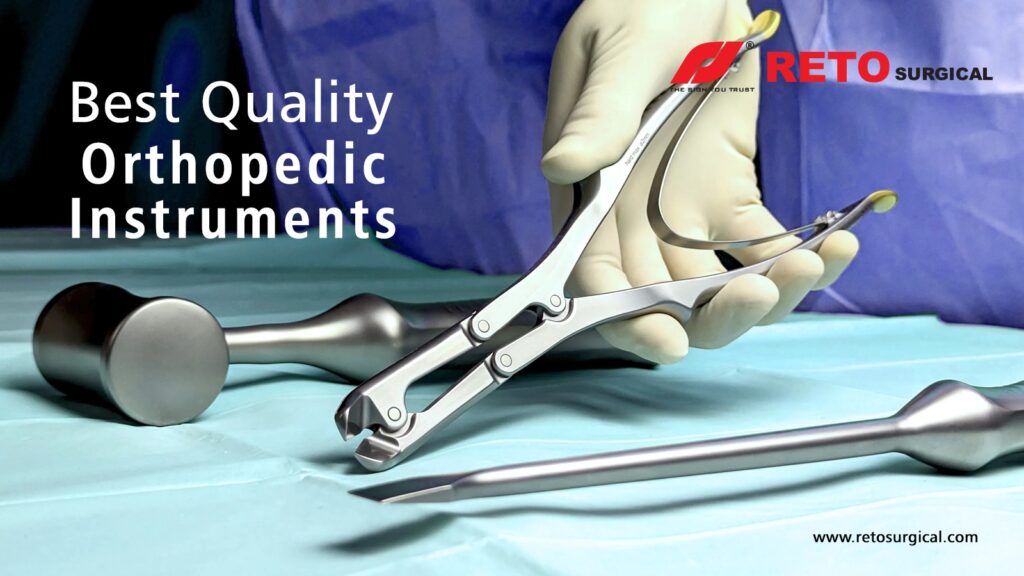
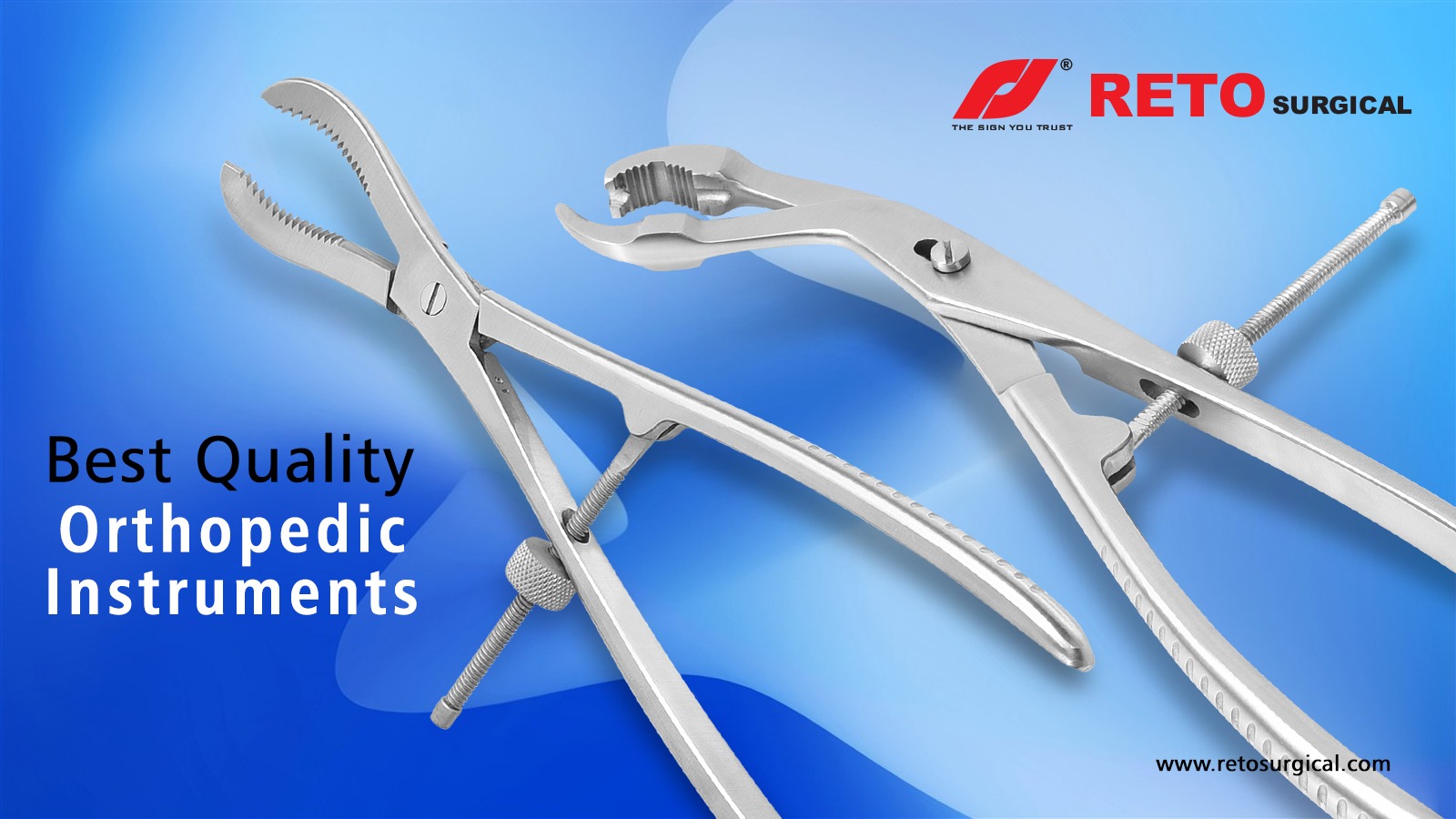
Orthopaedic instruments are specialized surgical tools designed specifically to diagnose, treat, and surgically correct conditions affecting the musculoskeletal system. Unlike general surgical instruments, orthopaedic Surgery instruments are engineered to work with hard tissues such as bone and cartilage, which require exceptional strength, precision, and durability.
These instruments are commonly used in procedures such as:
- Fracture repair and fixation
- Joint replacement surgeries (hip, knee, shoulder, and elbow)
- Spine and spinal deformity correction surgeries
- Arthroscopic and minimally invasive procedures
- Trauma, reconstructive, and corrective orthopaedic surgeries
Orthopaedic Surgery instruments differ significantly from general surgical tools due to their robust construction, ability to apply high torque, resistance to wear, and compatibility with orthopaedic implants such as plates, screws, nails, and prosthetic joints.
Importance of Orthopaedic Instruments in Modern Surgery
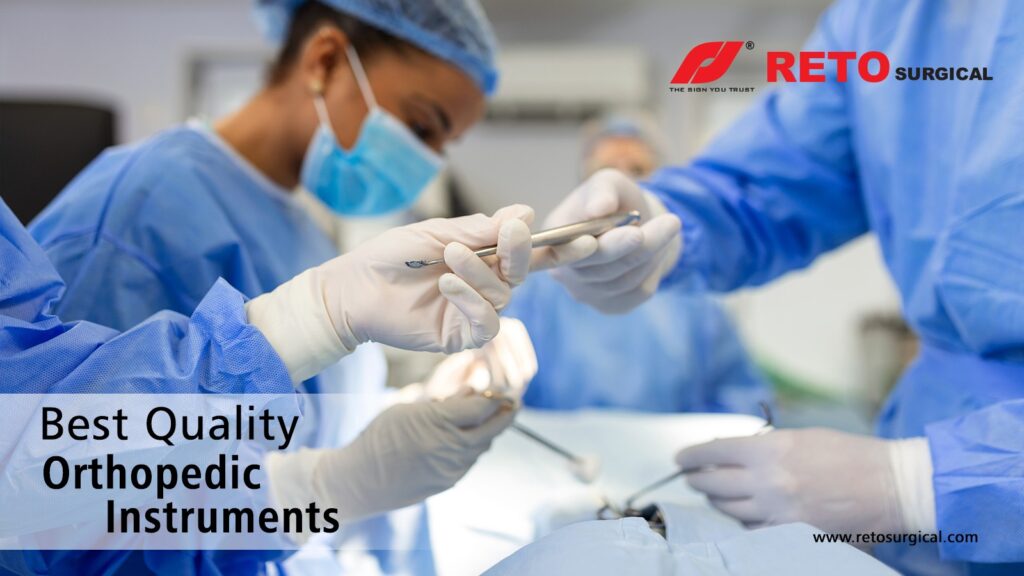
Orthopaedic surgery demands extreme precision. Even a minor deviation in bone alignment, drilling angle, or implant placement can affect healing, mobility, and long-term patient outcomes. High-quality orthopaedic Tools are essential for achieving consistent and predictable surgical results.
Key benefits of using reliable orthopaedic Surgery instruments include:
- Accurate bone cutting, drilling, and shaping
- Secure and stable implant fixation
- Reduced surgical time and operating room costs
- Lower risk of complications and revision surgeries
- Faster patient recovery and improved functional outcomes
For hospitals, durable instruments reduce replacement costs and downtime. For distributors, supplying dependable orthopaedic instruments strengthens trust, brand reputation, and long-term partnerships with healthcare providers.
Types of Orthopaedic Instruments
Orthopaedic instruments can be classified based on their function and surgical application. Each category serves a specific purpose in orthopaedic procedures.
- Cutting and Bone Preparation Instruments
These instruments are used to cut, shape, or remove bone during surgery. They are essential in fracture management, joint replacement, and corrective procedures.
Common examples include:
- Bone saws
- Osteotomes
- Chisels
- Bone cutters
- Rongeurs
These tools must maintain sharpness and strength to allow precise bone preparation while minimizing trauma to surrounding tissues.
- Drilling and Fixation Instruments
Drilling and fixation instruments prepare bone for implants such as screws, plates, and rods. Precision is critical to ensure secure fixation and correct alignment.
Examples include:
- Orthopaedic drills
- Drill bits
- Bone taps
- Screwdrivers
- Depth gauges
These instruments are commonly used in trauma surgery, fracture fixation, and reconstructive orthopaedic procedures.
- Grasping and Holding Instruments
Grasping instruments stabilize bone fragments or implants during surgery, allowing surgeons to maintain control and accuracy.
Examples include:
- Bone holding forceps
- Reduction forceps
- Clamps
They are especially important in complex trauma and reconstructive surgeries where precise alignment is required before fixation.
- Measuring and Alignment Instruments
Accurate measurement and alignment are critical in orthopaedics, particularly in joint replacement and limb reconstruction.
Common measuring tools include:
- Callipers
- Measuring rulers
- Alignment guides
These instruments help ensure proper implant sizing, positioning, and anatomical alignment.
- Retractors and Elevators
Retractors and elevators are used to expose the surgical site while protecting soft tissues such as muscles, nerves, and blood vessels.
Examples include:
- Bone elevators
- Periosteal elevators
- Orthopaedic retractors
They provide surgeons with a clear field of view and safe access to the operative area.
- Power Orthopaedic Instruments
Power instruments improve surgical efficiency and reduce surgeon fatigue, particularly in high-volume procedures.
Examples include:
- Electric or pneumatic drills
- Oscillating bone saws
- Reaming systems
These tools are widely used in trauma centers and joint replacement surgeries due to their speed, consistency, and precision.
What Surgeons Look for in Orthopaedic Instruments
Surgeons prioritize instruments that offer:
- Precision and consistent performance
- Ergonomic design for comfort and control
- Compatibility with modern implant systems
- Reliability under high mechanical stress
High-quality orthopaedic Surgery instruments directly contribute to surgical efficiency, safety, and improved patient outcomes.
Considerations for Hospitals and Distributors
Hospitals and medical distributors should focus on:
- Compliance with international standards such as ISO, CE, and FDA
- Consistent quality and reliable supply chains
- Competitive pricing and long service life
- Strong after-sales support and technical assistance
A trusted orthopaedic instrument supplier ensures operational continuity, regulatory compliance, and long-term partnerships.
Conclusion
Orthopaedic instruments are the foundation of successful musculoskeletal surgery. Designed for strength, precision, and durability, these tools enable surgeons to deliver safe, effective, and life-changing treatments. For hospitals and distributors, investing in high-quality orthopaedic instruments results in improved patient outcomes, operational efficiency, and long-term value.
Whether used in trauma care, joint replacement, or advanced reconstructive procedures, orthopaedic instruments remain indispensable in modern healthcare.
Orthopaedic Instruments – FAQ Guide
1. What are orthopaedic instruments?
Orthopaedic instruments are tools designed specifically for diagnosing, repairing, and reconstructing the musculoskeletal system during surgery.
2. What are the main types of orthopaedic instruments?
They include cutting tools, drilling tools, holding instruments, retractors, measuring tools, and implant insertion devices.
3. What materials are used to manufacture these instruments?
Common materials include surgical-grade stainless steel, titanium, and sometimes high-performance polymers.
4. Why is stainless steel commonly used?
Because of its durability, corrosion resistance, and ability to withstand repeated sterilization.
5. What are bone holding instruments?
Tools like bone clamps and forceps used to stabilize bones during procedures.
6. What is the function of orthopaedic drills?
They create precise holes in bones for screws, pins, or implants.
7. What are reamers used for?
Reamers enlarge or shape bone cavities, especially in joint replacement surgeries.
8. What are orthopaedic implants?
Devices such as plates, screws, rods, and prosthetics used to support or replace bones.
9. Are orthopaedic instruments reusable?
Yes, most are reusable after proper sterilization, though some disposable options exist.
10. How are orthopaedic instruments sterilized?
Through autoclaving, chemical sterilization, or plasma sterilization methods.
11. What factors should hospitals consider when purchasing?
Quality, certification (ISO/CE), surgeon preference, cost, and supplier reliability.
12. How important is instrument ergonomics?
Very important—better ergonomics reduce surgeon fatigue and improve precision.
13. What is an orthopaedic instrument set?
A pre-arranged kit of tools required for specific procedures like hip replacement or trauma surgery.
14. How often should instruments be inspected?
After every use for wear, damage, or corrosion.
15. What is the lifespan of orthopaedic instruments?
Typically 5–10 years, depending on usage and maintenance.
16. How do surgeons choose the right instruments?
Based on procedure type, patient condition, and personal preference.
17. What are minimally invasive orthopaedic instruments?
Specialized tools designed for small incisions, reducing recovery time.
18. Are powered instruments better than manual ones?
Powered tools improve efficiency and precision but depend on surgical needs.
19. What is the role of navigation systems?
They assist in accurate implant placement using computer guidance.
20. What are the risks of poor-quality instruments?
Increased surgical complications, longer operating time, and patient safety issues.
21. What certifications are required for distribution?
ISO 13485, CE marking, and local regulatory approvals (like CDSCO in India).
22. How should instruments be stored?
In clean, dry, and temperature-controlled environments.
23. What is the demand trend in orthopaedic instruments?
Growing rapidly due to aging populations and sports injuries.
24. How can distributors ensure product quality?
By sourcing from certified manufacturers and conducting quality checks.
25. What are the key challenges in distribution?
Regulatory compliance, logistics, pricing competition, and maintaining inventory.