
Hospitals’ Top Quality Surgical Instruments | Precision & Durability
Best Quality Surgical Instruments For Hospitals
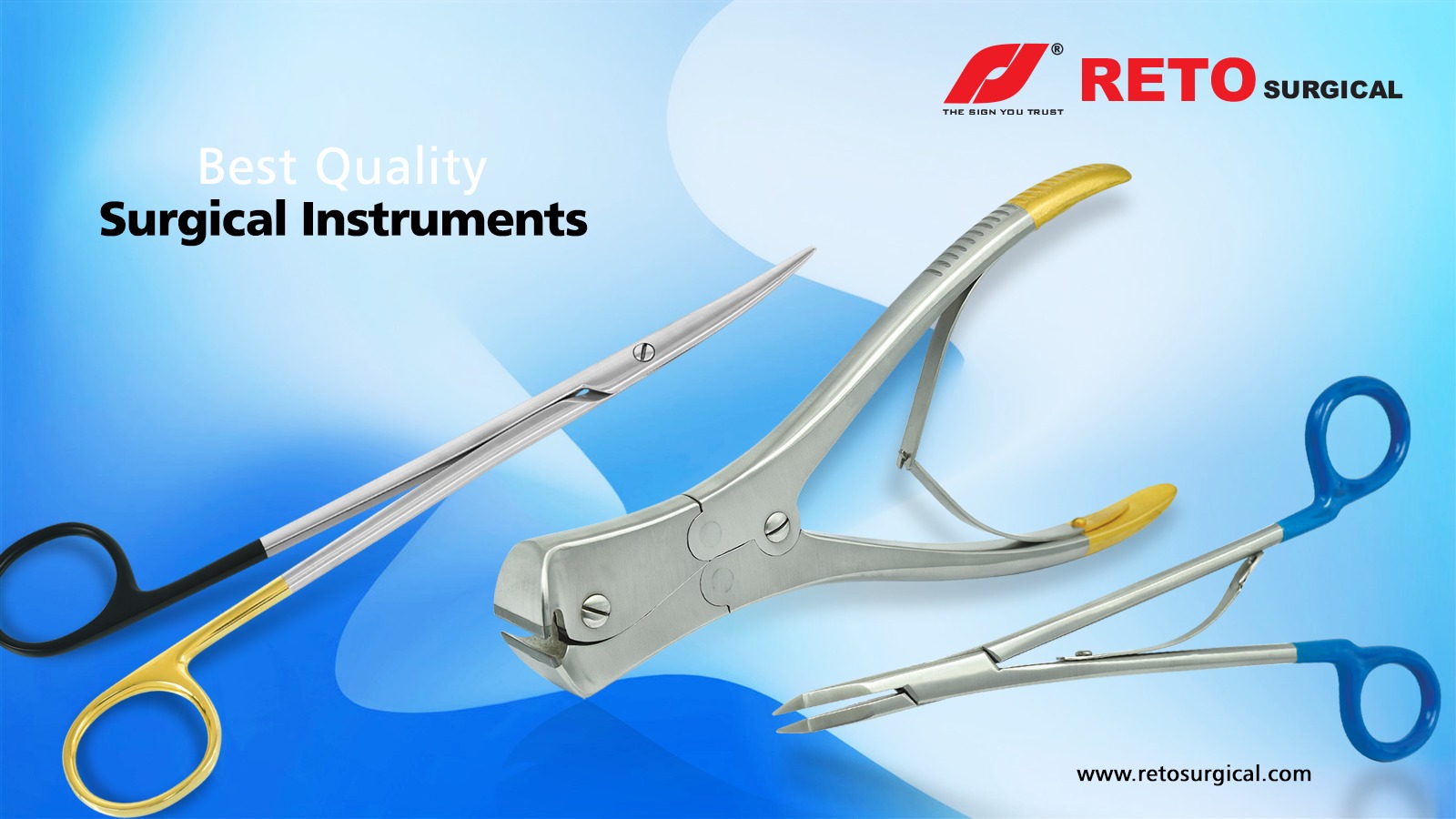
To ensure accuracy, safety, and efficiency during medical procedures, hospitals need the top quality Surgical Instruments in order to provide outstanding patient care. Surgical instruments of the highest quality, produced with the highest precision and composed of premium stainless steel, are essential for reducing surgical risks and improving results.
These equipment’ structural integrity and sharpness are ensured to withstand several sterilizations. Investing in top-notch surgical equipment enables hospitals to improve their operational standards and promote trust between employees and patients. A dedication to quality healthcare service is demonstrated by the selection of efficient surgical tools, which goes beyond simple requirements.
Importance of Quality in Surgical Instruments
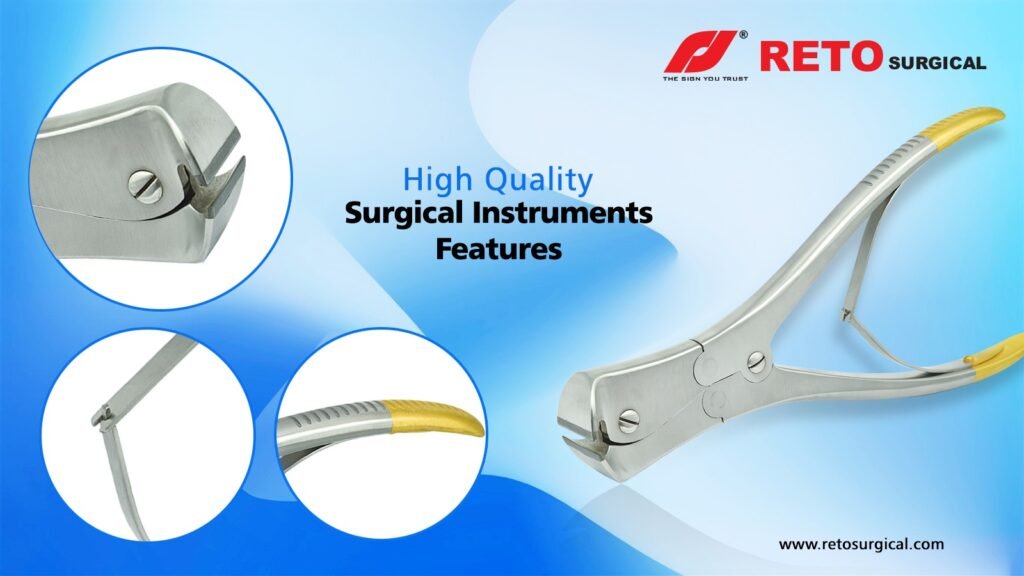
Using top-quality surgical instruments is crucial, and this cannot be emphasized enough. The reason is as follows:
- Patient Safety: During surgeries, inferior instruments could break or malfunction, increasing the risk of infections or other problems.
- Surgical Precision: High-quality instruments reduce tissue damage by ensuring precise incisions, good grip, and accuracy.
- Longevity and Cost-Effectiveness: Although they may initially cost more, durable instruments end up being more cost-effective over time since they require fewer replacements.
- Sterility and Hygiene: Hygiene standards are maintained by high-quality devices that sustain multiple sterilizations without degradation.
- Surgeon Efficiency: With the help of trustworthy tools, surgeons may operate with assurance and give their whole attention to the process.
High-Quality Surgical Instruments Features
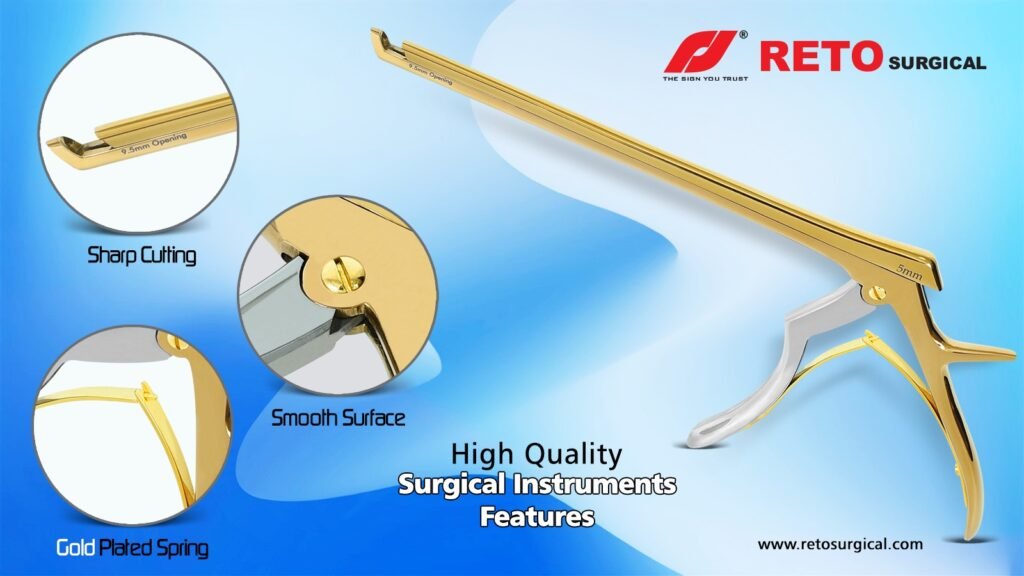
Check for the following traits to see if surgical equipment are of high quality:
- Ergonomics: Holding instruments should be pleasant, especially for long processes. Designing the grip and dispersing the weight properly are essential.
- Certifications: To make sure that international medical standards are being followed, look for FDA approvals, ISO certificates, and CE marking.
- Sterilization Compatibility: The integrity of the instruments must be maintained even after autoclaving or other sterilizing procedures.
How Medical Facilities Can Select the Appropriate Equipment
Surgeons, procurement officers, and biomedical engineers work together to select surgical instruments. Here is a detailed guide:
- Assess Surgical Needs: Compare the volume and sorts of procedures that are performed. Certain tools may be needed for specialized procedures.
- Request Samples and Trials: Many businesses provide surgeons with sample kits so they can assess handle, grip, and sharpness.
- Check Vendor Credentials: Collaborate with suppliers who provide certifications, maintenance, and warranties.
- Evaluate Maintenance and Sterilization: Make sure the tools work with the sterilization procedures used at your hospital.
- Budget Considerations: Some mid-range solutions offer a balance between affordability and reliability, but quality should never be sacrificed.
Surgical Tools That Every Operating Room Needs
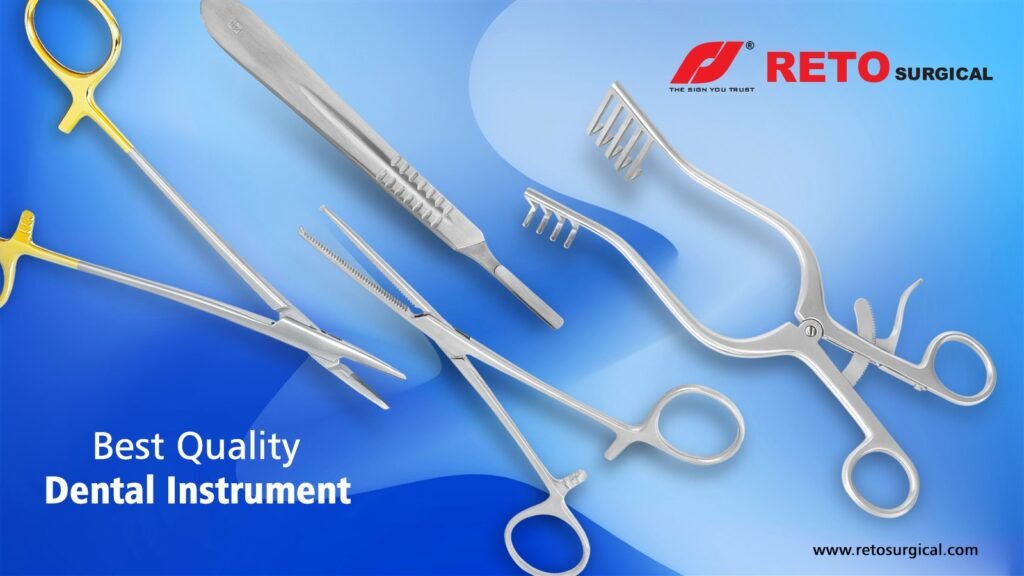
Each tool plays a crucial role in a surgeon’s work and ensures a safe outcome for the patient. The following is a discussion of the best surgical tools:
Scalpel
One of the first and most fundamental pieces of surgical equipment was the scalpel. Because of its great sharpness, the blade enables a surgeon to perform an incredibly accurate incision. Few of the various varieties of scalpels that are available are actually used in surgery.
Hemostats
In order to prevent excessive blood flow in the operating room, hemostatic forceps are utilized. To stop the bleeding, the device compresses the blood vessels. Kelly and Crile clamps, which vary in size and design depending on their intended use, are the most often used of these.
Needle Holders
Suturing needles is the purpose of needle holders. Because it gives surgeons a firm grip, passing needles from one layer to another is made easy. To ensure secure grips while suturing, the majority of needle holders have locks.
Retractors
Retractors pull back organs and tissues to provide a surgeon a better overall view of the operating site. These include self-retaining retractors and manual retractors, among others.
Electrocautery Device
To use an electrical current to cut or coagulate tissues, electrocautery devices are necessary. These help to improve the precision of tissue dissection and reduce blood flow during surgery. In most procedures, especially those involving delicate physique, this instrument is important.
The Future of Surgical Instruments
Top quality Surgical instruments are changing as a result of advancements in medical technology, including:
- Smart Instruments: Equipped with sensors to track movement or pressure while doing surgery.
- Robotic-Assisted Tools: Precise, less invasive, and being used in more complicated procedures.
- Disposable Surgical Tools: Particularly in the management of infectious diseases, for single-use situations.
- 3D Printed Instruments: Customized for a particular surgical technique or patient’s needs.
Conclusion
Surgical instrument quality is a key component of modern healthcare. Long-term hospital savings, improved patient outcomes, and surgeon satisfaction are all guaranteed when hospitals invest in the latest equipment. Hospitals may create a surgical environment that is safer and more effective by selecting certified, ergonomic, and long-lasting instruments. Being knowledgeable and proactive regarding surgical tools will continue to be crucial for any healthcare facility as advancements continue to change the medical environment.
FAQ’s
Q1. Which surgical tool is most often used?
The scalpel is one of the most widely used surgical tools. Depending on the technique, scalpels can be any size or form and are used to produce cuts and incisions during surgeries. A sharp metal edge fastened to a handle makes up a scalpel blade.
Q2. Which surgeon is most in demand?
Among the most well-paid specialists in the surgical area are neurosurgeons, cardiothoracic surgeons, and orthopedic surgeons.
Q3. What is the basic surgical instruments?
These tools are pivotal in ensuring successful operations and optimal patient outcomes. This article will delve into different categories of surgical instruments, including ratcheted forceps, non-ratcheted forceps, scissors, retractors, scalpels, clamps, laparoscopic instruments, and other essential instruments.
Q4. Which metal works best for surgical tools?
Stainless steel
For many years, stainless steel has been the preferred metal for surgical equipment because of its strength, resistance to corrosion, and ease of cleaning, which makes it perfect for environments where hygiene standards are crucial.
Q5. Which city is famous for surgical instruments?
Sialkot is renowned for producing and exporting a wide range of goods, including textiles, leather goods, sports goods, musical instruments, and surgical instruments. Sialkot is Pakistan’s second-largest source of foreign exchange revenues due to its exports and remittances from workers overseas.