
How to Select the Best Quality Dental Syringes | Expert Guide
How to Choose the Best Quality Dental Syringes
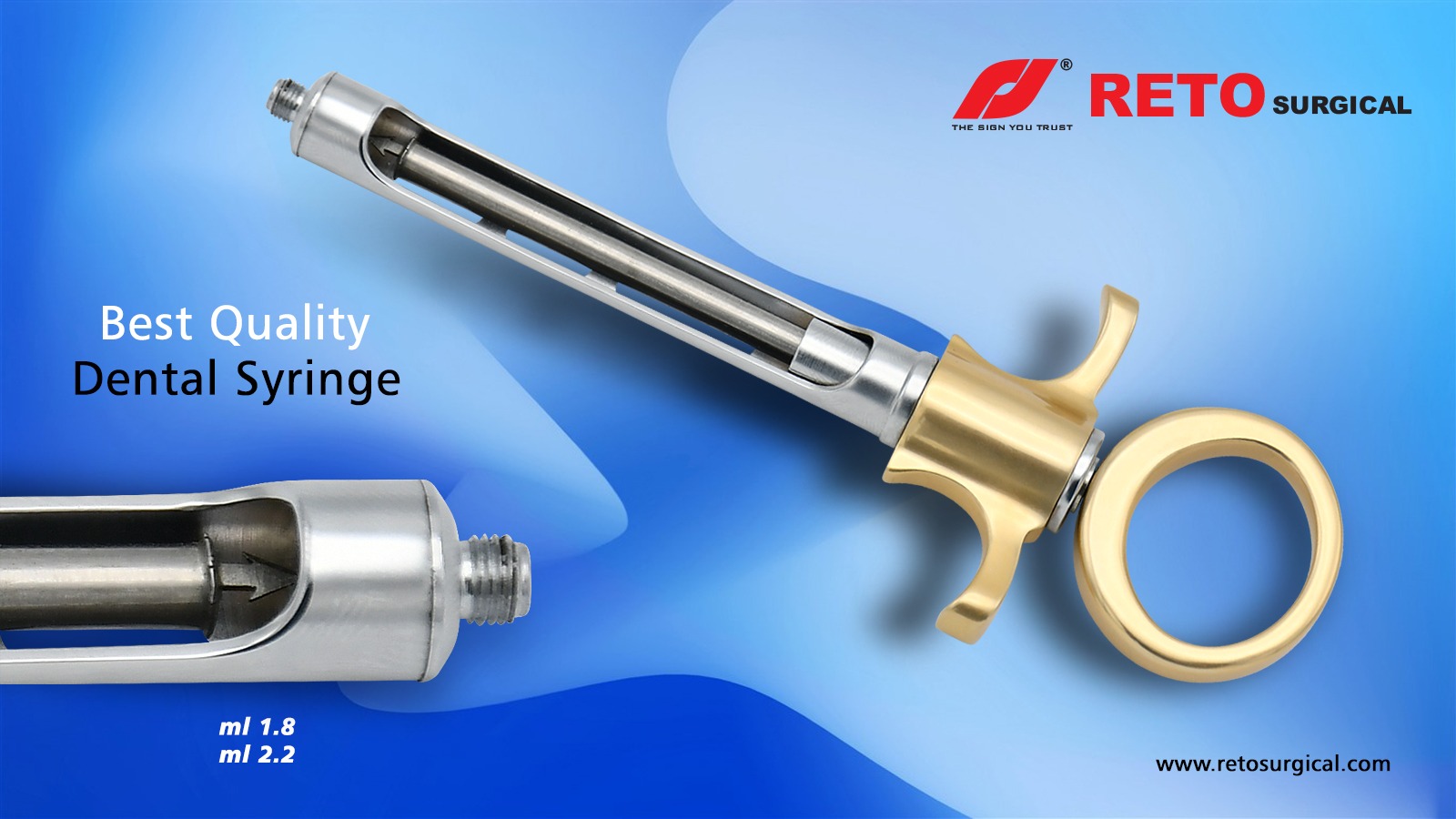
Selecting dental syringes, the Best Quality dental syringes is crucial to ensure secure, effective, and enjoyable dental operations. Because they depend on syringes to precisely administer anesthesia, dental practitioners place a high value on accuracy and quality. Considerations for choosing the Best Quality dental syringes include material durability, ergonomic design, needle compatibility, and ease of sterilization. Aside from lowering the chance of contamination or malfunction, selecting products from reliable manufacturers ensures adherence to safety regulations. Best Quality dental syringes improve procedure efficiency and patient comfort whether they are used once or often, making them an essential addition to any dental practice’s equipment collection.
What is a Dental Syringe Used For?
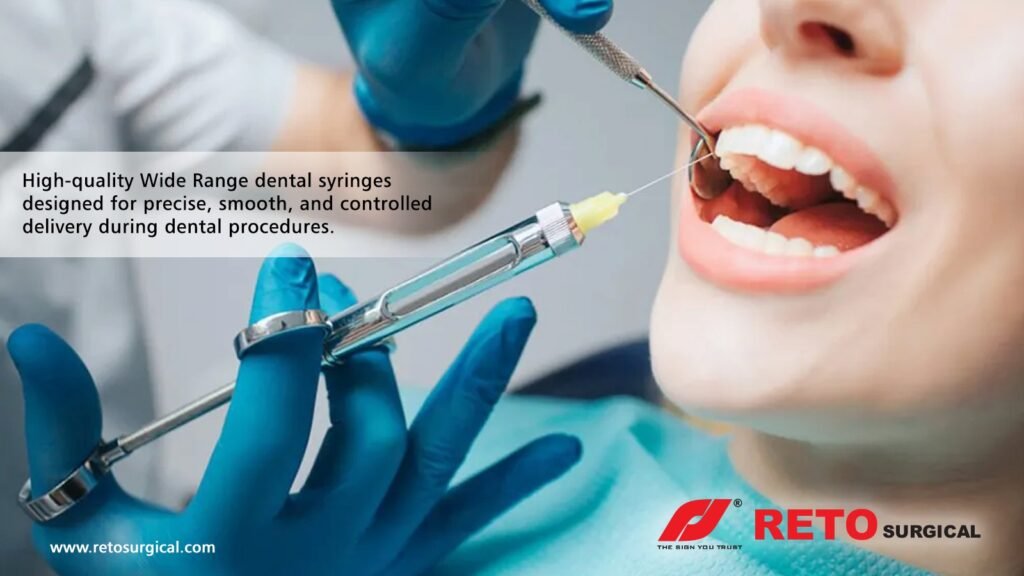
Dental syringes are (Best Quality dental syringes) used for a variety of purposes, such as cleaning the oral cavity and administering local anesthetics. Among the most widely used applications are:
- Injecting anaesthetic injections to treat pain.
- Cleaning surgical sites with water to get rid of bacteria and dirt.
- Fluids are aspirated to ensure precise injection placement.
The administration of medications for endodontic and periodontal processes.
Different Types of Dental Syringe?
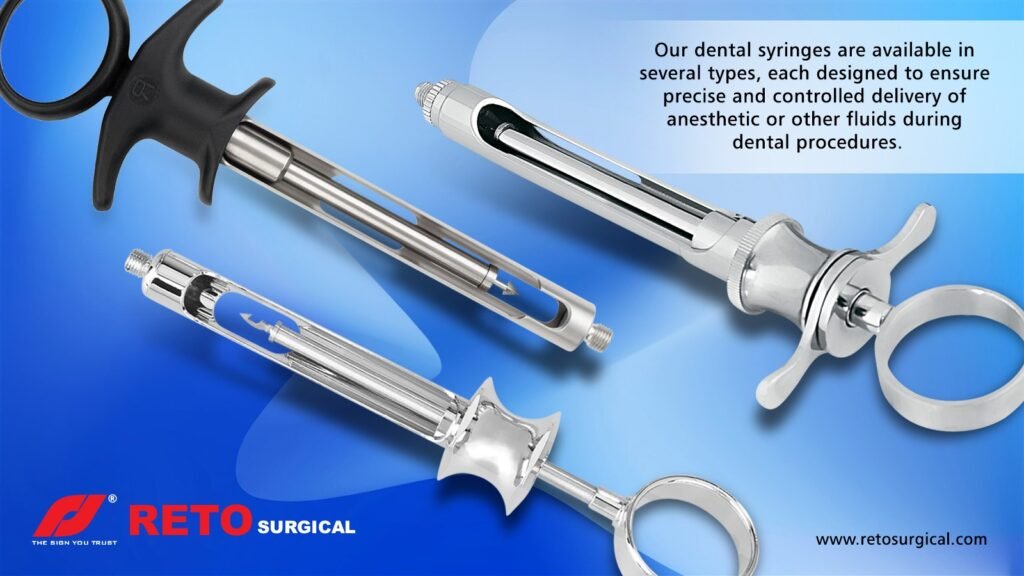
Different parts of dental therapy are addressed by the unique features of each type of dental syringe. Choosing the Best Quality dental syringes for a task is crucial for both patient outcomes and practice efficiency.
1. Aspiration Syringes
The dentist can pull back the plunger and generate negative pressure using these syringes’ special thumb ring and harpoon mechanism. The safe delivery of anesthetics depends on this feature, which makes sure the needle is not in a blood vessel.
2. Irrigation Syringes
For dental sites to be cleaned and prepared both during and after operations, irrigation syringes are necessary. They are employed during endodontic procedures or to administer water, saline, or other liquids to remove germs and debris from extraction sites, periodontal pockets, or other areas. Reducing the danger of infection and maintaining cleanliness are the main objectives.
3. Anesthetic Syringes
As the name implies, anesthetic syringes are made especially to administer local anesthetics. They can take many different shapes, such as self-aspirating syringes, which detect if the needle tip is in a blood vessel by automatically retracting the plunger a little when thumb pressure is released.
4. Specialty Syringes
Many syringes made for particular dental uses are referred to as specialty syringes. Among these are syringes used for periodontal therapies, post-operative treatments, and other specialist dental procedures. For example, several specialized needles are made to provide medications straight into periodontal pockets or to dispense materials for restorative dentistry.
Cost vs. Quality: Finding the Right Balance
Although there are financial limitations, going too low can end up costing you more in the long run.
Short-Term vs. Long-Term Use
You should always use Best Quality dental syringes if you want to use them only once in situations with a lot of people. But over time, spending money on high-quality reusable syringes could save you money if you use them frequently.
Bulk Purchase Benefits
Purchasing in bulk ensures that you never run out of stock and frequently results in discounts. Just make sure you store it properly to preserve its quality.
Impact of Dental Syringe Quality on Clinical Outcomes
The Best quality dental syringes plays a crucial role in clinical outcomes by directly influencing precision, patient comfort, safety, and treatment efficiency. High-quality dental syringes provide accurate control of anaesthetic flow and pressure, ensuring effective pain management and reducing the risk of tissue damage or incomplete anaesthetic. Smooth plunger movement and well-designed needles minimize patient discomfort and anxiety during injections. Superior materials and manufacturing standards also enhance durability and sterility, lowering the chances of leakage, breakage, or cross-contamination, which can compromise infection control.
In contrast, poor-quality syringes may cause inconsistent anaesthetic delivery, increased pain, needle deflection, or mechanical failure, leading to prolonged procedures and reduced patient trust. Additionally, ergonomic syringe design supports clinician comfort and precision, decreasing hand fatigue and improving procedural accuracy.
Overall, investing in high-quality dental syringes contributes to safer procedures, better pain control, improved efficiency, and more positive patient experiences, ultimately supporting higher standards of dental care and clinical success.
Conclusion
Selecting the Best Quality dental syringes has a direct effect on patient safety as well as your practice’s productivity. Every detail counts, from knowing the types and materials to taking sterility, ergonomics, and brand reputation into account. A well-selected syringe (Best Quality dental syringes) promotes your dedication to providing high-quality dental care, increases comfort, and improves results. Always consider the demands of your particular dental business, stay current with new developments in dental equipment, and put quality above temporary cost reductions. To make an informed decision, seek advice from reputable vendors or dental groups whenever in doubt.
FAQs
Q1. Why are various syringes used by dentists?
Dental syringes usually have smaller bore sizes than medical syringes. By enabling the more accurate and controlled distribution of local anesthetic or other chemicals in small amounts, this minimizes waste and ensures proper dosage.
Q2. What are the uses of dental syringes?
Medical supplies syringes are frequently used in dentistry to administer medications; in this context, “drugs” refers to an anesthetic. Sterile syringes and related needles are used to provide common anesthetics, like lidocaine, to a particular mouth area.
Q3. What is the dentist’s most painful injection?
The use of anesthesia is essential to any surgical treatment. Anaesthetic injections may cause pain, and the extent of that pain is determined by the patient’s pain threshold. It is considered to be one of the most painful injections in dentistry to administer palatal anesthesia.
Q4. What are the different types of dental needles?
Dental needles come in two primary varieties: short and long. Injecting in the anterior part of the mouth is best done with short needles, while the posterior part can be done with long ones. In the end, the injection place determines the needle’s length.
Q5. What is an aspirating syringe?
A carpule inserted in the syringe barrel is used to inject anesthesia using an aspirating syringe. The dentist inserts the needle two-thirds into the soft tissues, then uses the harpoon to aspirate the injection site by pulling the plunger/piston back with the thumb ring.