
High Quality Surgical Clamps: Types, Uses, Materials, Benefits & FAQs
High Quality Surgical Clamps: Types, Uses, Materials, Benefits, Product Range & FAQs
Understanding the Importance of Surgical Clamps in Modern Healthcare
In every operating room, precision, control, and reliability are essential for successful surgical outcomes. Among the most important surgical instruments, Surgical Clamps play a critical role in providing surgeons with secure control over tissues, blood vessels, and surgical materials. These specialized instruments are designed to hold, compress, occlude, or stabilize structures during different surgical procedures while minimizing tissue damage.
From controlling bleeding during complex operations to assisting in delicate vascular procedures, Surgical Instrument Clamps have become indispensable tools across multiple medical specialties. Surgeons rely on different clamp designs depending on the procedure, including Bulldog Clamps, Hemostatic Clamps, Artery Clamps, and advanced Vascular Clamps.
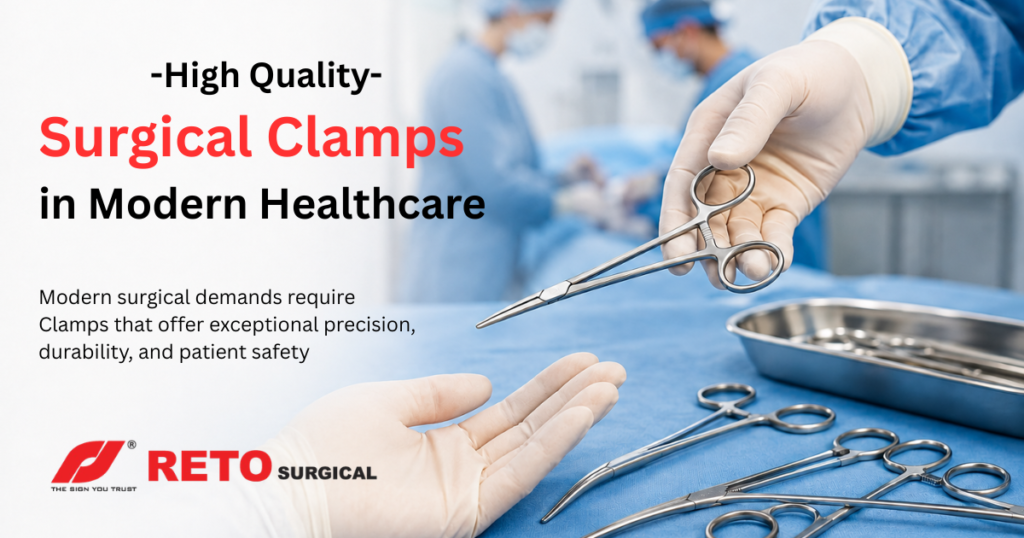
Modern surgical demands require instruments that offer exceptional precision, durability, and patient safety. High-quality clamps manufactured from Medical Grade Stainless Steel Instruments provide excellent corrosion resistance, repeated sterilization capability, and long-term performance. Leading manufacturers now produce advanced Precision Surgical Instruments that combine ergonomic designs with superior mechanical performance.
This comprehensive guide explores Surgical Clamp Types, their applications, materials, benefits, manufacturing standards, and answers frequently asked questions to help healthcare professionals understand these essential surgical tools.
What Are Surgical Clamps?
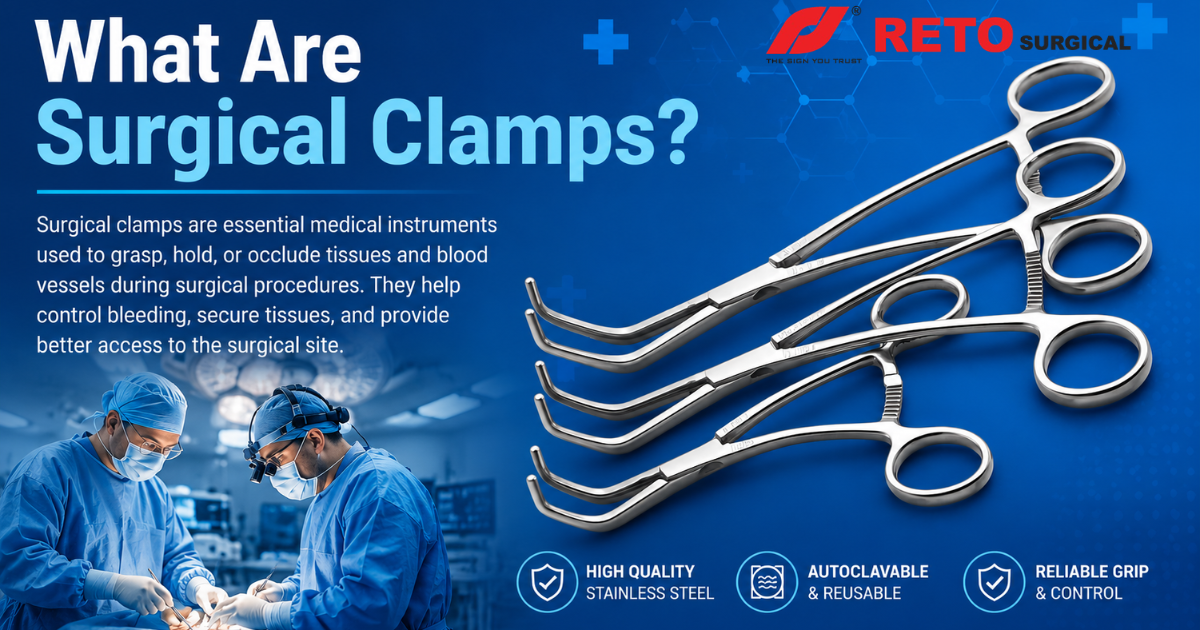
Surgical Clamps are specialized medical instruments used by surgeons to grasp, hold, compress, or temporarily block tissues, blood vessels, and other structures during surgical procedures. Their primary purpose is to provide controlled handling and improve visibility within the surgical field.
Unlike simple gripping instruments, clamps are designed with specific mechanisms that allow controlled pressure application. Many clamps feature a Ring Handle Surgical Clamps design combined with a Ratchet Locking Mechanism, allowing surgeons to maintain a secure grip without continuous manual pressure.
A common question in surgical instrument selection is Forceps vs Clamps. Although both instruments are used for grasping tissues, their functions differ. Forceps are generally designed for holding and manipulating tissues, while clamps are engineered for compression, occlusion, and maintaining control over vessels or surgical materials.
Depending on their intended use, surgical clamps can provide:
- Temporary blood vessel control
- Tissue stabilization
- Surgical material handling
- Bleeding prevention
- Vessel occlusion during procedures
The effectiveness of a clamp depends on factors such as jaw design, material quality, locking mechanism, and the amount of pressure applied.
Types of Surgical Clamps and Their Applications
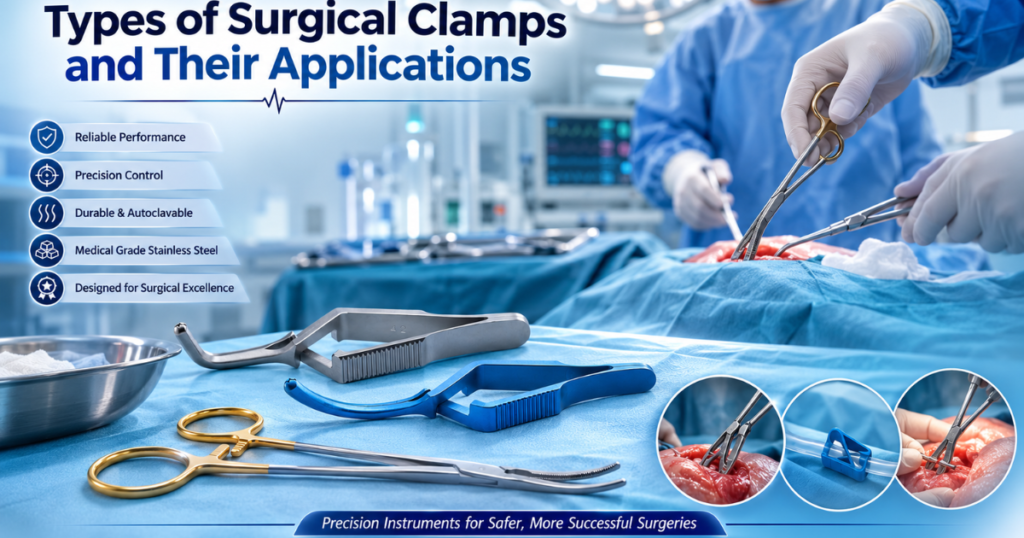
The wide range of surgical procedures requires different designs of clamps. Each type is developed for specific anatomical areas and surgical requirements.
- Hemostatic Clamps and Artery Clamps
Hemostatic Clamps are among the most commonly used surgical instruments for controlling bleeding. They are designed to compress blood vessels and prevent excessive blood loss during surgery.
Artery Clamps are specifically designed for controlling arteries and smaller blood vessels. Their precision jaws allow surgeons to achieve effective Hemostasis in Surgery without causing unnecessary trauma.
Common designs include:
- Curved Surgical Clamps – provide better access around anatomical structures.
- Straight Surgical Clamps – suitable for direct access and general applications.
- Angled Surgical Clamps – designed for procedures requiring improved visibility and access.
Many hemostatic instruments feature Serrated Jaw Clamps, which provide a stronger grip on tissues and vessels. In contrast, Smooth Jaw Clamps are preferred when minimizing tissue marking or trauma is important.
- Bulldog Clamps and Vascular Clamps
Bulldog Clamps are small, lightweight clamps widely used in vascular and cardiovascular procedures. Their spring mechanism allows controlled compression of blood vessels while reducing the risk of injury.
A Bulldog Vascular Clamp is commonly used for temporary vessel occlusion during delicate procedures where precise blood flow control is required.
Different variations include:
- Mini Bulldog Clamp – designed for microsurgical applications and small vessels.
- Spring-Loaded Bulldog Clamp – provides consistent pressure through a spring mechanism.
In cardiovascular surgery, Cardiovascular Surgical Clamps are essential for maintaining safe operating conditions. These clamps help surgeons temporarily control circulation during procedures involving arteries, veins, and heart-related structures.
- Vascular and Microvascular Clamps
Vascular Clamps are specifically designed for blood vessel management. They allow surgeons to temporarily stop blood flow while performing repairs, grafting, or reconstruction.
Microvascular Clamps are used in highly delicate procedures involving extremely small vessels, such as reconstructive surgery and microsurgery. These instruments require exceptional precision because excessive pressure can damage fragile vessel walls.
Modern Atraumatic Surgical Clamps are designed to provide secure holding while minimizing tissue injury. Their specialized jaw patterns support Atraumatic Vessel Compression, making them suitable for sensitive vascular procedures.
Other related devices include:
- Vessel Occlusion Clamps
- Vascular Occlusion Devices
- Temporary Vessel Clamping
- Vessel Ligation Clamps
These instruments provide surgeons with reliable Blood Vessel Control during complex operations.
- Specialty Surgical Clamps
Different medical specialties require specialized clamp designs.
Cardiothoracic Surgery
Cardiothoracic Clamps are designed for procedures involving the heart, lungs, and major blood vessels. They provide reliable control during highly sensitive operations.
Neurosurgery
Neurosurgical Clamps require extremely precise manufacturing because procedures involve delicate neurological structures.
Gastrointestinal Surgery
Intestinal Clamps and Bowel Clamps are used during abdominal procedures to temporarily control sections of the intestine while reducing tissue damage.
Gynaecological Surgery
Gynaecological Clamps and Obstetric and Gynaecological Clamps are specifically designed for procedures involving female reproductive organs and related tissues.
Urological Surgery
Urological Surgical Clamps assist surgeons during procedures involving the urinary system by providing controlled tissue handling and vessel management.
Surgical Clamp Materials, Design Features and Manufacturing Quality
The performance and durability of surgical clamps depend heavily on their construction materials and manufacturing processes.
Stainless Steel Surgical Clamps
Most high-quality clamps are manufactured from Stainless Steel Surgical Clamps because stainless steel provides:
- Excellent corrosion resistance
- High mechanical strength
- Long service life
- Compatibility with sterilization processes
Corrosion Resistant Surgical Instruments are essential in healthcare environments because instruments undergo repeated exposure to cleaning chemicals and high-temperature sterilization.
Some advanced products are manufactured using Titanium Surgical Clamps, which offer lightweight performance, excellent corrosion resistance, and compatibility with specialized surgical applications.
Clamp Design and Engineering Features
A well-designed clamp must provide accurate control without compromising surgeon comfort.
Important design elements include:
Surgical Clamp Jaws
The design of Surgical Clamp Jaws determines grip strength, tissue protection, and application suitability.
Ratchet Locking Mechanism
The Ratchet Locking Mechanism allows surgeons to maintain a consistent grip and control clamp pressure during procedures.
Clamp Force Control
Proper Clamp Force Control is essential because excessive pressure may damage tissues, while insufficient pressure may fail to achieve the desired surgical objective.
Self-Retaining Clamps
Self-Retaining Clamps help maintain positioning without continuous manual holding, improving surgical efficiency.
Benefits and Applications of Surgical Clamps
The advantages of using high-quality surgical clamps extend across multiple medical procedures.
Key Benefits of Surgical Clamps
The major Benefits of Surgical Clamps include:
- Improved surgical precision
- Effective bleeding control
- Reduced tissue trauma
- Better visibility during operations
- Enhanced surgical workflow
- Reliable performance after repeated sterilization
Because of these advantages, surgical clamps are widely used in hospitals, surgical centers, and specialized medical facilities worldwide.
Surgical Clamp Applications
Common Surgical Clamp Applications include:
- General surgery
- Cardiovascular procedures
- Microsurgery
- Gynaecological operations
- Orthopedic procedures
- Gastrointestinal surgery
- Vascular reconstruction
High-quality clamps support surgeons by providing confidence, control, and accuracy in demanding surgical environments.
Surgical Clamp Product Range and Manufacturing Standards
A professional Surgical Clamps Manufacturer should provide a complete Surgical Instrument Product Range designed according to international quality standards.
Leading manufacturers focus on:
- Precision machining
- Advanced finishing processes
- Quality inspection
- Sterilization compatibility
- Consistent performance
A reliable Surgical Clamps Supplier should offer products suitable for hospitals, distributors, and medical equipment companies.
Many international buyers prefer working with an experienced Surgical Clamps Exporter that follows strict quality management systems.
Important certifications include:
- CE Marked Surgical Instruments
- ISO 13485 Certified Surgical Instruments
These certifications demonstrate compliance with internationally recognized medical device quality requirements.
A professional manufacturer also provides support regarding:
- Surgical Clamp Maintenance
- Surgical Instrument Sterilization
- Product documentation
- Custom manufacturing options
Proper maintenance and sterilization practices help extend instrument life and ensure patient safety.
Surgical Clamp Selection Guide
Choosing the correct clamp depends on several important factors:
Procedure Requirements
Select clamps based on the surgical specialty and intended application.
Material Quality
Choose instruments made from durable materials such as medical-grade stainless steel or titanium.
Jaw Design
Consider whether serrated, smooth, curved, straight, or angled jaws are most suitable.
Sterilization Compatibility
Reusable instruments should withstand repeated sterilization cycles.
Manufacturer Reputation
Working with a trusted supplier ensures consistent quality and reliable product performance.
Conclusion
Surgical Clamps remain one of the most essential categories of surgical instruments, providing surgeons with the control and precision required for successful procedures. From Bulldog Clamps and Hemostatic Clamps to advanced Microvascular Clamps and Cardiovascular Surgical Clamps, each design serves a specific medical purpose.
High-quality materials, precision manufacturing, ergonomic design, and international certifications ensure that modern surgical clamps deliver safe and dependable performance.
For hospitals, distributors, and healthcare professionals, choosing a trusted Surgical Clamps Manufacturer or Surgical Clamps Supplier is essential for obtaining durable, reliable, and clinically effective instruments.
Investing in premium-quality surgical clamps means investing in surgical accuracy, patient safety, and improved healthcare outcomes.
Frequently Asked Questions (FAQs) About Surgical Clamps
- What are Surgical Clamps used for?
Surgical Clamps are medical instruments used by surgeons to hold, compress, grasp, or temporarily block tissues and blood vessels during surgical procedures. They are mainly used for bleeding control, tissue handling, vessel occlusion, and improving surgical visibility.
- What are the different types of Surgical Clamps?
The main Surgical Clamp Types include Hemostatic Clamps, Bulldog Clamps, Artery Clamps, Vascular Clamps, Microvascular Clamps, Tubing Clamps, Intestinal Clamps, Bowel Clamps, and specialty clamps used in cardiovascular, neurological, urological, and gynaecological surgeries.
- What is the difference between Forceps and Clamps?
The main difference in Forceps vs Clamps is their function. Forceps are primarily designed for grasping and manipulating tissues, while clamps are designed to apply controlled pressure for holding tissues, controlling blood flow, or occluding vessels during surgery.
- What are Hemostatic Clamps?
Hemostatic Clamps are surgical instruments specifically designed to control bleeding by compressing blood vessels. They help surgeons achieve Hemostasis in Surgery by temporarily stopping blood flow during procedures.
- What are Bulldog Clamps used for?
Bulldog Clamps are commonly used in vascular and cardiovascular procedures for temporary vessel occlusion. Their spring-loaded mechanism provides controlled pressure while reducing the risk of vessel damage.
- What is a Vascular Clamp?
A Vascular Clamp is a specialized surgical instrument used to control blood flow in arteries and veins during vascular procedures. These clamps allow surgeons to safely repair, reconnect, or modify blood vessels.
- What are Microvascular Clamps used for?
Microvascular Clamps are designed for delicate microsurgical procedures involving very small blood vessels. They provide precise vessel control while minimizing trauma to fragile vascular structures.
- What materials are Surgical Clamps made from?
Most Surgical Clamps are manufactured from Stainless Steel Surgical Clamps because stainless steel provides durability, corrosion resistance, and compatibility with sterilization. Some specialized instruments are made from Titanium Surgical Clamps for lightweight performance.
- Are Surgical Clamps reusable?
Yes, many Reusable Surgical Clamps are designed for multiple uses. Proper cleaning, inspection, and Surgical Instrument Sterilization procedures are necessary to maintain performance and patient safety.
- Are Surgical Clamps autoclavable?
Most high-quality clamps are Autoclavable Surgical Instruments and can withstand repeated steam sterilization cycles when maintained according to manufacturer guidelines.
- What are the different jaw designs available in Surgical Clamps?
Common jaw designs include Serrated Jaw Clamps, Smooth Jaw Clamps, curved jaws, straight jaws, and angled jaws. The choice depends on the surgical application and required tissue handling characteristics.
- What is the purpose of a Ratchet Locking Mechanism in Surgical Clamps?
The Ratchet Locking Mechanism allows surgeons to maintain a secure grip without continuously applying manual pressure. It provides better control and stability during procedures.
- What are Atraumatic Surgical Clamps?
Atraumatic Surgical Clamps are designed to hold tissues or vessels while reducing crushing or unnecessary damage. They are commonly used in delicate vascular and reconstructive procedures.
- What are Vessel Occlusion Clamps?
Vessel Occlusion Clamps are used to temporarily block blood flow through vessels during surgery. They provide controlled compression to help surgeons perform repairs or reconstructions safely.
- What are Tubing Clamps used for?
Tubing Clamps are used to control fluid flow through medical tubing systems. They are commonly used in surgical, laboratory, and medical equipment applications where controlled flow management is required.
- What are the benefits of using high-quality Surgical Clamps?
The main Benefits of Surgical Clamps include improved surgical precision, reliable blood vessel control, reduced tissue trauma, enhanced workflow efficiency, and long-term durability.
- How do I select the right Surgical Clamp for a procedure?
A Surgical Clamp Selection Guide should consider the surgical specialty, tissue type, vessel size, jaw design, required pressure level, material quality, and manufacturer specifications.
- What are Cardiovascular Surgical Clamps?
Cardiovascular Surgical Clamps are specialized instruments used in heart and major blood vessel procedures. They provide controlled vessel management during complex cardiovascular operations.
- What are Gynaecological Clamps used for?
Gynaecological Clamps are designed for procedures involving female reproductive organs. They provide secure tissue handling and control during obstetric and gynaecological surgeries.
- What are Intestinal Clamps and Bowel Clamps used for?
Intestinal Clamps and Bowel Clamps are used during gastrointestinal procedures to temporarily control sections of the intestine while helping surgeons minimize leakage and maintain a clear surgical field.
- What quality standards should Surgical Clamps meet?
High-quality surgical instruments should comply with international standards such as CE Marked Surgical Instruments requirements and ISO 13485 Certified Surgical Instruments quality management systems.
- How are Surgical Clamps manufactured?
Professional Surgical Clamp Manufacturing involves precision forging or machining, heat treatment, surface finishing, polishing, passivation, quality inspection, and performance testing to ensure reliability.
- Why is stainless steel preferred for Surgical Clamps?
Medical Grade Stainless Steel Instruments are preferred because they offer excellent strength, corrosion resistance, durability, and compatibility with repeated sterilization.
- Can Surgical Clamps be customized?
Yes, many Surgical Clamps Manufacturers provide customized solutions, including specific jaw patterns, sizes, finishes, markings, and packaging according to customer requirements.
- How should Surgical Clamps be maintained?
Proper Surgical Clamp Maintenance includes cleaning after use, checking jaw alignment, inspecting locking mechanisms, preventing corrosion, and following recommended sterilization procedures.
- What is the role of clamp force control in surgery?
Clamp Force Control helps surgeons apply the correct amount of pressure. Proper force prevents tissue damage while ensuring effective vessel control.
- What is a Mini Bulldog Clamp?
A Mini Bulldog Clamp is a smaller version of a vascular clamp designed for microsurgical procedures involving small vessels where precise control is required.
- What is the difference between straight and curved Surgical Clamps?
Straight Surgical Clamps are suitable for direct access applications, while Curved Surgical Clamps provide improved visibility and access around anatomical structures.
- How do I choose a reliable Surgical Clamps Supplier?
A reliable Surgical Clamps Supplier should provide high-quality materials, consistent manufacturing standards, certifications, technical documentation, and dependable customer support.
- Why should hospitals choose a professional Surgical Clamps Manufacturer?
A trusted Surgical Clamps Manufacturer ensures product quality, precision engineering, compliance with medical standards, and reliable performance required for modern surgical environments.